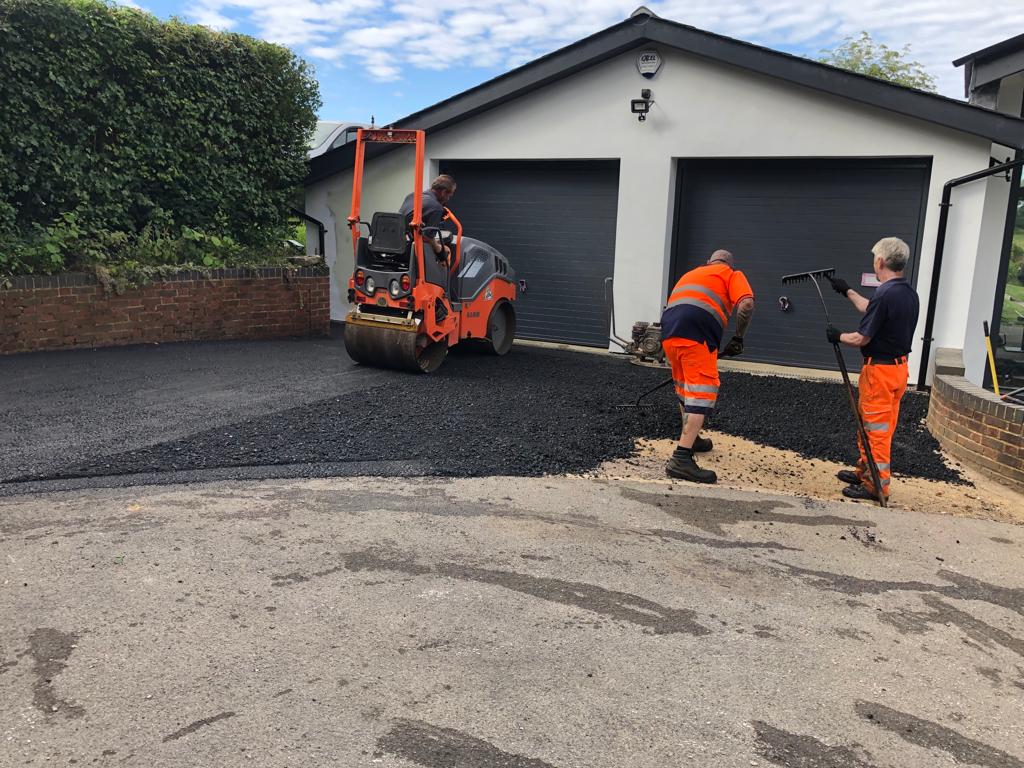
A pothole is easy to recognise, but what caused it is not always obvious. The visible hole is often the final result of deterioration that has been developing within or beneath the road surface for some time. Simply filling the opening without considering why it formed can leave the conditions responsible for the damage unchanged.
For roads, driveways, hardstands and access areas in Berri, SA, effective pothole repair should therefore begin with an assessment of the surrounding pavement. Water penetration, cracking, weak supporting material, surface deformation and repeated traffic loading can all contribute to pothole formation. Identifying these factors helps determine what preparation is required before the damaged area is repaired.
A Pothole Is Often a Symptom Rather Than the Whole Problem
When pavement material breaks away and leaves a hole, it is natural to focus on the missing surface. However, the deterioration may extend further than the visible edges.
A pothole can develop through a sequence of events. The surface may first crack or weaken, moisture can enter the pavement, supporting material can lose stability, and repeated vehicle movements can then break away increasingly larger pieces of the surface.
This is why two potholes that look similar may require different approaches.
Before carrying out repairs, useful questions include:
- Is the surrounding pavement stable?
- Has water been entering the area?
- Are there cracks around the pothole?
- Is the underlying material soft or loose?
- Is the surface holding water?
- Has the same area been repaired previously?
- Are other potholes developing nearby?
The answers help establish whether the problem is isolated or part of wider pavement deterioration.
Water Can Be a Major Contributor to Pothole Formation
Water is particularly important when investigating pavement damage.
Cracks, open joints and deteriorated sections can allow moisture to move below the wearing surface. If supporting pavement materials become excessively wet, their ability to provide stable support may be reduced.
Traffic continues passing over the weakened area, placing repeated loads onto the pavement. The surface can begin deforming or breaking apart until material is eventually displaced.
If water is contributing to a pothole, repairing only the visible opening may not provide the complete solution.
Drainage Problems Should Be Identified
Sometimes water enters through surface damage. In other cases, the pavement profile itself may be directing water towards the affected area.
After rainfall, standing water can reveal useful information about why deterioration is occurring.
Look for:
- Water collecting inside the pothole
- Persistent puddles around the damaged area
- Depressions directing water towards the defect
- Erosion around pavement edges
- Ruts that hold or channel water
- Nearby areas remaining wet longer than the surrounding surface
Where drainage is contributing to pavement deterioration, surface levels or water movement may need attention as part of the repair process.
Filling a Low Point Does Not Necessarily Correct the Levels
A pothole located within a larger depression may continue experiencing water-related problems if the surrounding surface still directs rainfall towards it.
The repair therefore needs to be considered in relation to the wider pavement profile, not simply the depth of the hole.
Cracking Around a Pothole Provides Important Clues
The condition immediately surrounding a pothole can indicate how far deterioration has progressed.
If the edges are firm and the surrounding pavement remains sound, the damage may be relatively localised. If cracking extends well beyond the opening, a larger section may already be compromised.
Repairing only the visible hole while leaving unstable, cracked material around it can create weak boundaries around the new patch.
Professional preparation generally involves identifying the extent of unsound material so the repair can be formed against more stable pavement.
A Weak Base Can Cause Repairs to Fail Again
The strength of an asphalt or bitumen surface depends heavily on the pavement supporting it.
If the base underneath has become unstable, simply replacing the missing surface material does not restore that support.
Signs that deeper pavement weakness may be involved include:
- A pothole repeatedly returning in the same location
- Significant settlement around the defect
- Soft pavement nearby
- Deep wheel rutting
- Movement under vehicle traffic
- Multiple connected failures
Where these symptoms are present, the affected supporting material may require attention before the surface is restored.
This is one of the main reasons investigating the cause before repairing a pothole can improve the quality of the finished work.
Traffic Patterns Can Explain Localised Failure
Not every pothole is caused primarily by water or pavement age.
The way vehicles use a surface can concentrate stress in particular locations. Turning, braking and repeated wheel movements can place greater demands on some areas than others.
Potholes may therefore appear more frequently around:
- Entrances
- Turning areas
- Regular stopping points
- Frequently travelled wheel paths
- Heavily used access sections
Understanding how the pavement is being used can help determine whether the repair needs additional preparation to cope with ongoing traffic.
Repeated Potholes Need a Broader Investigation
One isolated pothole and a surface containing numerous potholes represent different maintenance situations.
When several defects are developing across the same pavement, repeatedly treating them individually may not address the overall problem.
Multiple potholes can indicate:
- Widespread surface deterioration
- Extensive cracking
- Drainage deficiencies
- General pavement weakness
- Loss of suitable surface material
- Increasing deterioration of an ageing pavement
At this stage, assessing the complete road, driveway or hardstand may be more valuable than continuing to view each pothole separately.
Previous Repairs Can Tell You Something
The history of a damaged area is also useful.
If a properly completed repair remains stable while the surrounding pavement performs well, the original failure may have been isolated.
If the same location repeatedly deteriorates, there is a stronger reason to investigate what is happening underneath or around the repair.
A pattern of recurring failure should not simply be treated as a series of unrelated potholes.
Proper Preparation Matters Before the Repair Is Installed
Once the cause and extent of deterioration have been assessed, the damaged area can be prepared appropriately.
Depending on pavement condition, preparation may involve:
- Removing loose or failed material.
- Establishing the actual extent of the damaged section.
- Addressing unsuitable supporting material where necessary.
- Correcting contributing drainage or level problems.
- Preparing stable repair edges.
- Installing and compacting appropriate pavement material.
The precise process depends on the construction and condition of the existing surface.
The important principle is that a durable pothole repair begins below and around the visible defect rather than simply at the top of it.
Why Compaction Is Important
Pavement materials need adequate compaction to provide stable support.
If repair material is poorly compacted, vehicle traffic can cause further movement or settlement. Depressions can then develop, potentially allowing water to collect and restarting the deterioration process.
Compaction should therefore be considered alongside material selection and preparation.
A repair needs to become a stable part of the surrounding pavement rather than simply fill the available space.
When Is a Localised Pothole Repair Appropriate?
Investigating the cause does not mean every pothole requires extensive pavement work.
Localised repairs can be very effective where:
- The damage is confined to a limited area
- Surrounding pavement remains stable
- The supporting base is suitable
- Drainage is functioning correctly
- There is no widespread deformation
- The wider surface remains serviceable
In these circumstances, targeted repair can restore the damaged section without unnecessary work elsewhere.
Understanding the cause helps confirm that localised repair is actually suitable.
When Might Wider Resurfacing Be Worth Considering?
If potholes are only one part of broader surface deterioration, resurfacing may deserve consideration.
An ageing pavement may contain potholes alongside:
- Extensive cracking
- Numerous previous patches
- Widespread roughness
- Loose aggregate
- Surface deterioration
- Increasingly inconsistent levels
Where the underlying pavement remains structurally suitable, asphalt or bitumen resurfacing may provide a more complete solution than continually repairing individual defects.
Failed sections still need appropriate preparation first. A new surface should not simply conceal unstable areas underneath.
Do Not Assume Every Pothole Has the Same Cause
Potholes may look broadly similar from the driver’s seat, but the conditions responsible for them can differ considerably.
One may result from a localised surface defect. Another may be associated with standing water. A third may involve weak pavement material, while widespread potholes could indicate general deterioration across the surface.
Using the same repair approach without first considering these differences can overlook the actual problem.
A condition-based assessment allows the repair method to respond to the pavement rather than treating every hole identically.
Professional Pothole Assessment in Berri, SA
The value of professional pothole repair lies not only in replacing missing material but also in determining why the pavement failed.
Berri Road Tech SA assesses damaged roads, driveways, hardstands and access surfaces in Berri, SA, with consideration for the pothole itself, surrounding pavement, drainage, base condition and traffic demands.
Where damage is isolated, targeted repairs may be appropriate. Where potholes form part of more widespread deterioration, additional pavement preparation or resurfacing can be considered based on the actual condition of the site.
Conclusion
Understanding why a pothole formed is important because the visible hole may only be one part of the problem. Water penetration, poor drainage, cracking, weak supporting material, repeated traffic loading and wider pavement deterioration can all contribute to failure.
Repairing the surface without addressing relevant underlying causes can leave the pavement vulnerable to recurring damage. By assessing the surrounding area first, it is possible to determine whether a localised pothole repair is sufficient or whether additional preparation or resurfacing should be considered.
For roads, driveways, hardstands and access areas in Berri, SA, Berri Road Tech SA can assess pothole damage and the condition of the surrounding pavement before recommending an appropriate repair approach. Addressing both the defect and its cause can help create a more dependable repair and support the continued performance of the existing surface.
Call us on: 08 5122 4154
Click here to find out more about Berri Road Tech SA
Click here to complete our contact form and see how we can help with your roofing needs.