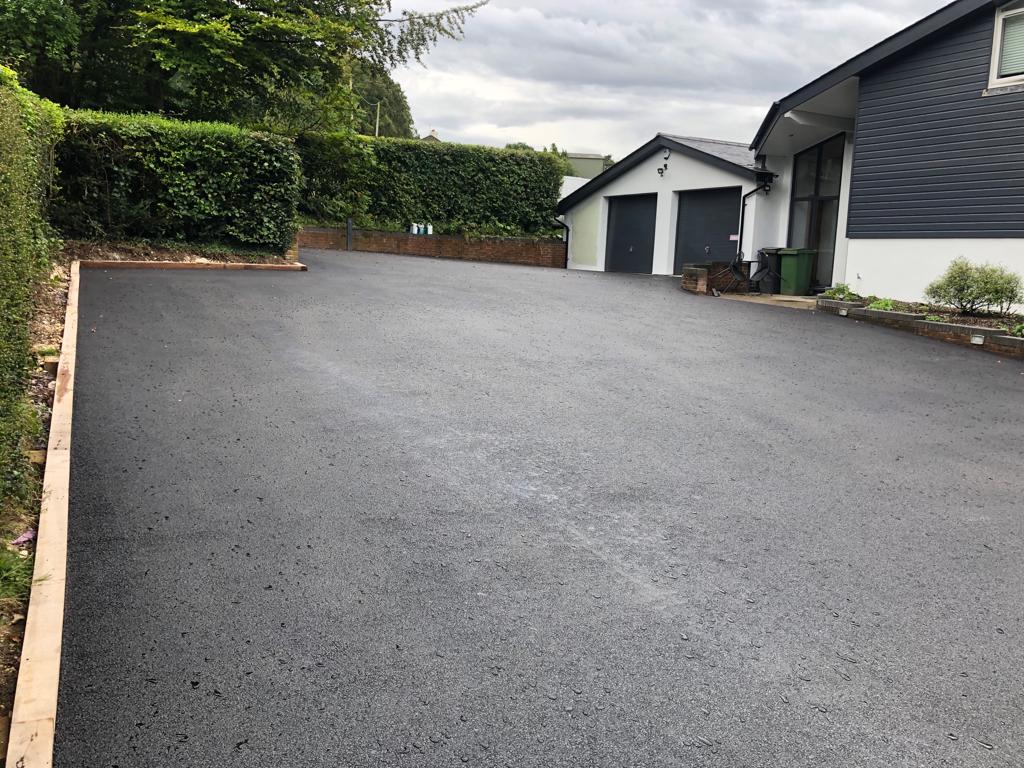
Spray & Seal roads are designed to provide a durable, weather-resistant surface capable of handling regular vehicle traffic while protecting the pavement underneath. Like any road surface, however, Spray & Seal gradually changes as it is exposed to traffic, sunlight, rainfall and general ageing. Resealing at the appropriate stage can renew this protective layer and help prevent relatively minor surface deterioration from progressing into more substantial pavement damage.
The challenge is knowing when the existing road is ready for another seal. For property owners, businesses and site operators in Berri, SA, paying attention to the condition of the surface rather than waiting for major defects can help preserve the road and extend its useful life.
What Does Resealing a Spray & Seal Road Involve?
Resealing involves applying a new bitumen and aggregate treatment over an existing pavement that is still suitable for preservation.
The process creates a renewed wearing surface and restores an important protective barrier between traffic, weather and the pavement structure below.
Before resealing, the existing road should be assessed and prepared appropriately. Any defects that could affect the performance of the new seal may need attention first.
The aim is not simply to cover an ageing road. It is to preserve a pavement that still has a suitable underlying structure.
There Is No Single Resealing Interval for Every Road
It can be tempting to assume that Spray & Seal should automatically be renewed after a particular number of years. In practice, the appropriate timing depends on how the road has performed.
Factors affecting deterioration include:
- Traffic volume
- Vehicle weights
- Existing pavement condition
- Drainage
- Previous construction quality
- Environmental exposure
- Maintenance history
A lightly trafficked road can age very differently from a surface exposed to frequent heavy vehicle movements.
For this reason, pavement condition is generally a more useful guide than age alone.
The Surface Is Becoming Dry and Weathered
One of the first changes noticed on an ageing Spray & Seal road can be a gradual loss of its original surface condition.
Continued exposure to the environment causes bituminous binders to age and oxidise. As this occurs, the surface may become drier and less resilient.
Weathering does not automatically mean the pavement has failed. However, it can indicate that the protective wearing surface is ageing and should be professionally assessed.
Resealing while the underlying pavement remains sound can help restore protection before deterioration becomes more advanced.
Aggregate Is Beginning to Become Loose
The aggregate in a Spray & Seal pavement forms the surface that vehicle tyres travel over. It is held in place by the bituminous binder beneath.
As the surface ages, areas may begin losing aggregate.
Signs can include:
- Loose stones accumulating around the road
- Increasingly bare patches
- An inconsistent surface texture
- Areas where the underlying seal is becoming more exposed
Progressive aggregate loss reduces the effectiveness of the wearing surface and may indicate that resealing should be considered.
Minor Cracking Is Starting to Appear
Small cracks deserve attention because they can provide a pathway for water to enter the pavement.
Once moisture reaches the layers underneath, deterioration can accelerate. Traffic then places repeated pressure on weakened sections, potentially contributing to larger cracks, potholes and deformation.
The condition and cause of cracking should be assessed before resealing. Minor defects may be repairable as part of the preparation process, whereas significant structural cracking may indicate that additional pavement work is necessary.
The Road Is Losing Its Consistent Surface Texture
A Spray & Seal road should provide a reasonably consistent wearing surface.
Over time, traffic can wear some sections more heavily than others. Turning areas, wheel paths, entrances and other high-use sections may deteriorate sooner.
An increasingly inconsistent surface can indicate that the existing seal is approaching the stage where renewal should be considered.
Professional assessment can determine whether resealing the pavement will restore appropriate protection or whether localised repairs are required first.
Water Is Beginning to Exploit Surface Defects
A major purpose of a bitumen seal is to help protect the pavement from moisture.
When cracks, exposed sections or other defects develop, water has greater opportunity to penetrate beneath the surface.
Warning signs may include:
- Water remaining in worn areas
- Deterioration around existing cracks
- Potholes appearing after rainfall
- Soft or unstable sections
- Erosion around pavement edges
These issues should not simply be covered with another seal without first determining why they are occurring.
Resealing Before Potholes Become Widespread
Potholes are often a later stage of pavement deterioration.
They commonly develop when moisture enters the pavement, weakens the supporting structure and allows repeated traffic to break away the surface material.
Once potholes become widespread, straightforward resealing may no longer be sufficient.
This is why preventative maintenance matters. Resealing a suitable pavement before significant structural deterioration develops can help maintain the protective surface and reduce the opportunity for water-related damage to progress.
Heavy-Traffic Areas May Need Closer Attention
Traffic conditions have a substantial influence on the rate of surface wear.
Roads regularly used by heavier vehicles can experience greater stresses from braking, turning and repeated wheel loads. Particular sections may therefore show deterioration before the remainder of the road.
Regular inspections help identify these high-wear areas and determine when maintenance should be carried out.
Drainage Should Be Checked Before Resealing
A new seal cannot correct every pavement problem.
If water regularly pools on the road because of poor grading or drainage, applying another Spray & Seal layer without addressing the cause may leave the pavement vulnerable to continuing deterioration.
Before resealing, it is worth assessing:
- Surface levels
- Low areas
- Road crossfall
- Edge drainage
- Signs of water-related damage
Correct drainage helps the renewed surface perform effectively and protects the pavement beneath.
When Resealing May Not Be Enough
Spray & Seal resealing works best when the pavement underneath remains structurally serviceable.
If a road has substantial structural deterioration, simply applying another seal may not provide the required result.
Problems requiring further investigation can include:
- Deep rutting
- Widespread pavement deformation
- Repeated pothole formation
- Significant cracking
- Unstable or soft sections
- Serious drainage failures
In these circumstances, repairs, grading, base rehabilitation or another form of resurfacing may need to be considered before a new seal is applied.
Why Professional Assessment Is Important
Determining the right time to reseal involves understanding both the visible surface and the pavement structure beneath it.
An experienced surfacing contractor can assess whether the existing road is suitable for resealing and identify preparation work that should be completed beforehand.
This may include examining:
- Surface wear
- Aggregate condition
- Existing cracks and potholes
- Base stability
- Drainage performance
- Traffic requirements
Selecting the right treatment based on actual pavement condition helps achieve a more reliable and durable result.
Do Not Wait for Complete Surface Failure
The best time to think about resealing is generally before the road has deteriorated to the point where substantial reconstruction is required.
Spray & Seal is particularly valuable as a pavement preservation treatment. Maintaining the protective surface while the structure underneath remains in reasonable condition can help slow further deterioration and extend the road’s serviceable life.
Regular inspections are therefore preferable to waiting until driving conditions become noticeably poor.
Conclusion
An existing Spray & Seal road should be considered for resealing when the surface begins showing meaningful signs of ageing but the underlying pavement remains suitable for preservation. Weathering, aggregate loss, minor cracking, inconsistent surface texture and declining water resistance can all indicate that it is time to have the road assessed.
The key is acting before widespread potholes, severe deformation or structural instability develop. For roads and access surfaces in Berri, SA, Berri Road Tech SA provides professional Spray & Seal assessment, preparation and resurfacing services tailored to the condition of each pavement. If your existing Spray & Seal road is beginning to show signs of wear, contact our team to determine whether timely resealing can help protect it and maintain reliable long-term performance.
Call us on: 08 5122 4154
Click here to find out more about Berri Road Tech SA
Click here to complete our contact form and see how we can help with your roofing needs.